
For the next entry in our series all about the holidays we’re staying in Europe, as Sarah’s partner Otto shares his memories of growing up in the Netherlands. Saint Nicholas is the primary focus of the holidays here, but the lore of Santa Claus (‘Sinterklaas’ in Dutch) is pretty different. Read on to discover the Dutch Christmas traditions:
Sinterklaas
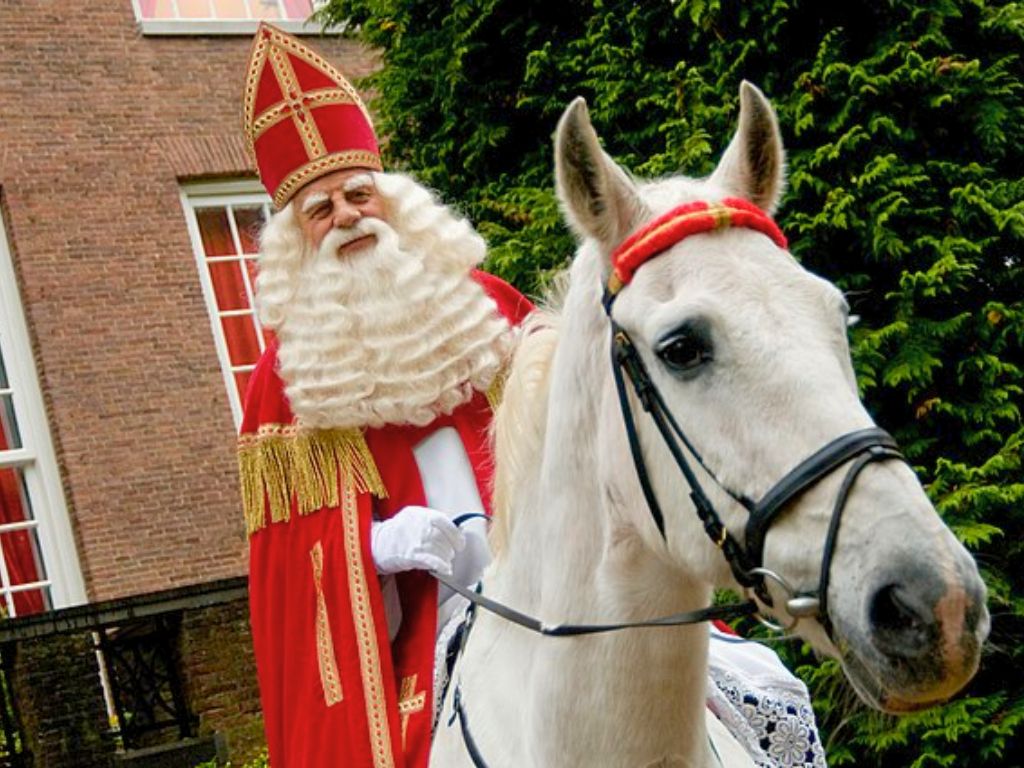
“Our version of Christmas actually starts on December 5th, which is when Sinterklaas gets on his white horse and drops presents at the homes of Dutch children everywhere. Aided by his helpers who are traditionally called ‘Zwarte Piet’ (translation: Black Pete), Sint Nicholas has a variety of ways to deliver what the Dutch call ‘kadootjes’ to children.
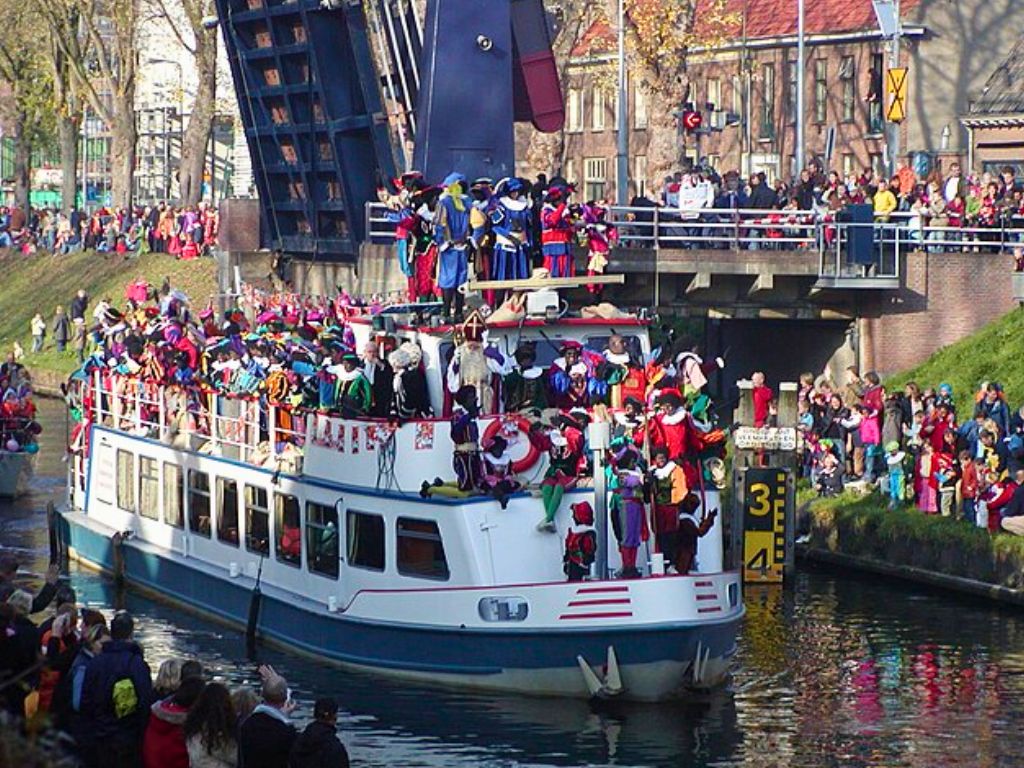
The ‘Pieten’ can simply ring the doorbell or go through the chimney, which makes their faces sooty and is one of the reasons they are called Black Pete. While the day of presents itself is the big day, the lead-up is just as exhilarating. Once Sinterklaas arrives on his steamboat from Spain in mid-November in a televised event, children experience a variety of surprises until December 5th.”
“The biggest excitement comes from putting your shoes by the fireplace (or radiator) on a nightly basis. Kids usually leave a carrot for Sint Nicholas’ horse in their shoe and sing a song after which, in return, they will find candy or a small present as a reward the next morning. Other exciting events can include a surprise visit by Black Pete to throw candy in schools or your living room, or meeting Sinterklaas himself in your class room.
But it’s not all moon shine and rose scent as the Dutch like to say when they want to moderate expectations. Super naughty children will get a little bag of salt in their shoe instead of a treat or be threatened to be put in Black Pete’s bag to be taken back with the Sint to Spain (which, as an adult now, seems like more of a reward — I love Spain).”
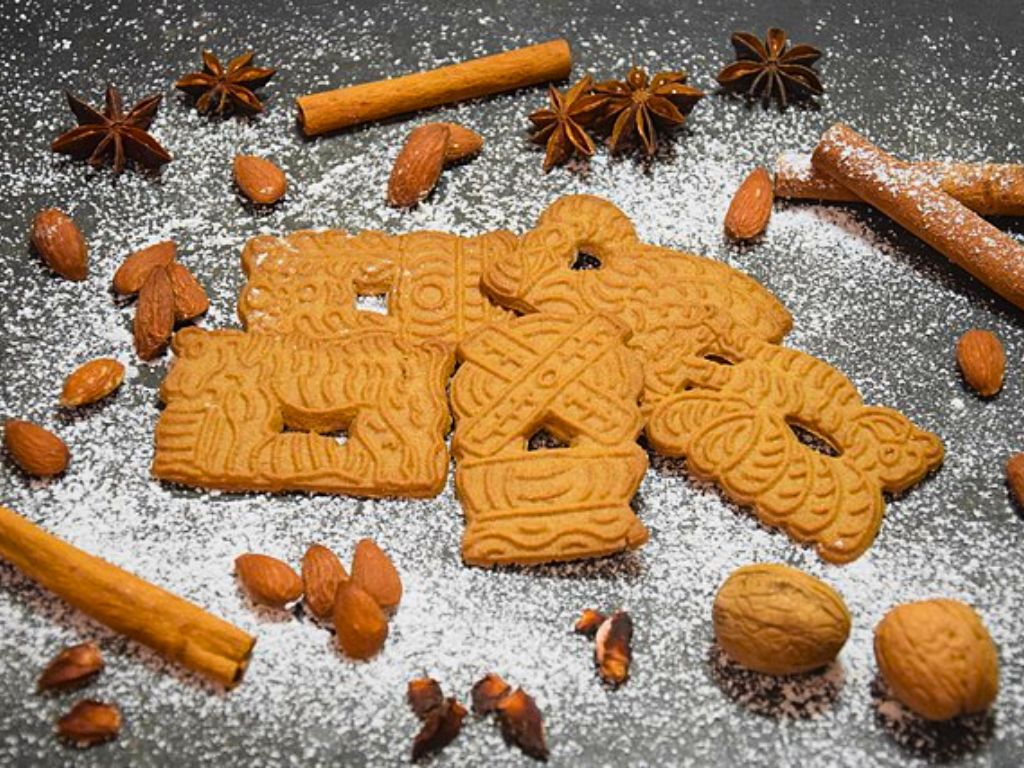
“The best thing about Sinterklaas beyond the presents are the seasonal treats it brings. Most children will receive a large chocolate letter (usually the first letter of their name) and a variety of candies that Black Pete will sprinkle around living rooms unexpectedly. The main candy is pepernoten (‘pepper nuts’), which are little round cookies, speculaas (a spiced shortcrust cookie), and marzipan. Fun right?!”
O Denneboom
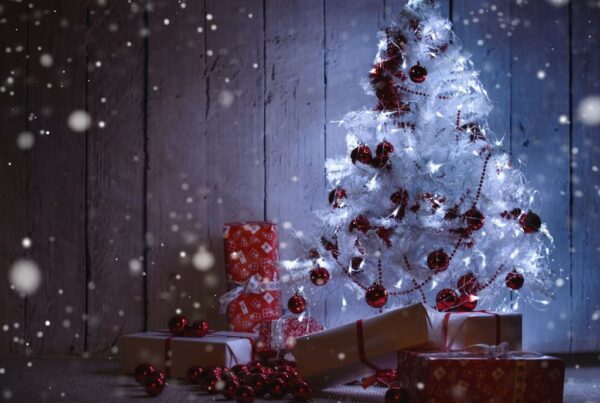
“Sound familiar? The Dutch version of the German ‘Oh Tannebaum’ is the most likely song you will hear in a Netherlands’ household, as families gather around ‘de kerstboom’ to enjoy each other’s company.
Kerstmis is a very important holiday in the Netherlands as it has evolved over the years from a traditionally Christian holiday to a more family-oriented affair. The lowland country has even borrowed some traditions from the United States, such as putting presents under the Christmas tree, even though most Dutch still use Sinterklaas as the traditional time to exchange ‘cadeautjes’
(presents).”
Christmas Celebrations in the Netherlands
“Much like other European nations, the Dutch Christmas celebration lasts two days (December 25th & 26th), which are both official holidays in the country. Kerstavond (Christmas Eve) or Eerste Kerstdag (first Christmas day) is usually where families gather for a maaltijd (meal) and/or attend Christmas mass or one of the many Christmas concerts that are popular across the country. The most popular Christmas dinner for Nederlanders tends to be a version of fondue, gourmet, or raclette, but roulade and stuffed turkey are also favorites. Lekker (yum)!
Second Christmas Day tends to be a time that the Dutch relax, which can be as simple as watching Christmas movies or sleeping in, but is also used as an extra opportunity to connect with family and friends. However, the Dutch being Dutch, many are more likely to choose a physical activity (as they would do on any typical Sunday) like fietsen (biking) or a long wandeling (brisk walk) on a nature trail or the beach.
And this will usually include most of the family. While a white Christmas is not common in the lower lands, it will not keep the Dutch from their favorite national pastime in the winter, by skating on many of the artificial tracks the country has to offer during this holiday.
Kerstmarkten
The Dutch like coziness. They even have an untranslatable word for it; gezellig. They love social gatherings of any kind and enjoying time together. So, it should not surprise anyone that leading up to the big holiday, Kerstmarkets (Christmas markets) are everywhere.
Most of these markets start somewhere in November, much like you see in Germany, France and Belgium. And while you will find many Nederlanders enjoying the sites and tastes of the famous Christmas markets in Ghent, Aachen, or Strasbourg, the Netherlands offers a lot of its own market options today.
From Maastricht in the far South to the Dickensian version in Friesland’s Dokkum in the North, Christmas markets are everywhere throughout the country, including Amsterdam to Utrecht, and Haarlem. And while most of these markets enjoy the same treats and glühwein as those very famous German markets, visitors to Dutch markets can enjoy some unique Dutch snacks like oliebollen (Dutch doughnut), poffertjes (little pancakes), giant stroopwafels, or the Dutch staple you can eat at any time of the day; patat (fries).
Christmas in the Netherlands is a fun, family affair and a time to really enjoy one another’s company. Gelukkig Kerstfeest (which one of my friends once said sounds like ‘Look at the Cat’s Face’)!