
The Hungarian capital city of Budapest has something for everyone. Fascinating history and architecture, delicious food and drink options, lots of outdoor activities and opportunities to relax; Budapest is somewhere we find ourselves returning to over and over again. Working out the best time to visit Budapest is all about knowing what sort of travel experience you prefer and what you want to do while here, so here we’ll give you all the information you need to make the right decision for you.
Our Favorite Time to Visit Budapest
For us, the best time to visit Budapest is in the fall. The summer crowds and temperatures have both reduced, so you can really explore the city at your leisure. The main sites are less busy but the weather is still more than pleasant enough to spend time outdoors, plus you will be able to enjoy harvest season with all the fabulous Hungarian wines.
We love Budapest in the fall so much that our Hungarian tour takes place at this time of year, so that we can share this special time of year with all of our fellow adventurers.
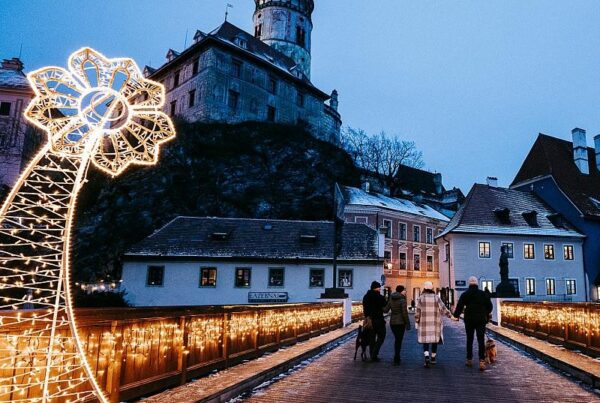
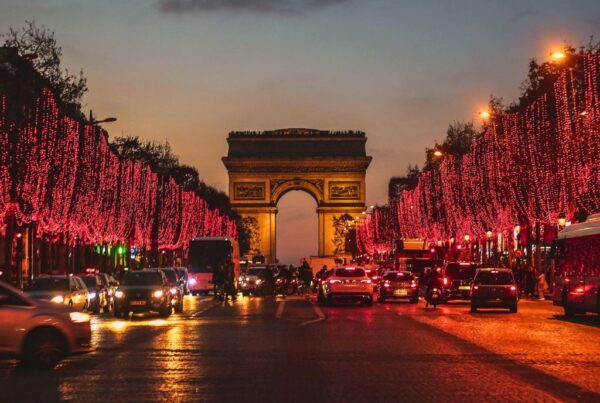
Another very specific time we love visiting Budapest is during the Christmas festivities. The city is covered in lights and the Christmas markets here are fantastic. Yes, it can be cold but between the thermal baths and hot spiced wine, you won’t feel it!
While this is when we prefer to visit Budapest, there is not a bad time to do so. Having spent time here at various points through the years, we can honestly say that we’ve always had a wonderful trip – below you’ll find specific recommendations for when to visit month by month:
Spring (March–May): Cultural Events And Blossoms
Spring in Budapest is a lovely time of year to visit. The weather starts to warm up in March, and while the chance of rain can still be fairly high, by the time April and May come around, the warm weather is here to stay. The nights are still on the cooler side but as long as you pack a decent jacket, you’ll be comfortable.
Because of the milder weather you can really make the most of the city, spending all day sightseeing and getting to know Budapest. The city isn’t too busy with visitors so you’ll be able to enjoy the blossoming flowers in the parks and gardens without the crowds, as well as having easy access to the popular sights.
March
Early March is still fairly quiet in Budapest. The weather is on the cooler side and the chance of rain is higher, which can put off some visitors, but this is the perfect time to visit if you like to explore at your own pace.
March 15 is a major national holiday in Hungary, commemorating the outbreak of the revolution in 1848, a major turning point in the country’s history which eventually led to independence. On this day the city is covered in flags and banners, and there are lots of events taking place. Budapest is very busy on this day (and those around it) so expect some changes to opening hours and transport options.
After this holiday March returns to being quieter, but the city starts showing signs of coming to life. The pleasant weather becomes more pronounced and announcements for museum exhibitions, concerts and more start appearing. This is a great time of year to visit Budapest if you’re looking for a bargain as accommodation and flight costs tend to be cheaper.
April
April is a fantastic time of year to visit Budapest if you love flowers, as this is when cherry blossom trees bloom all over the city. The Tóth Árpád promenade, which winds around the Buda Castle giving you wide-ranging views of the city below, is lined with the trees and comes to life in April, but you can also visit the Japanese Garden on Margaret Island.
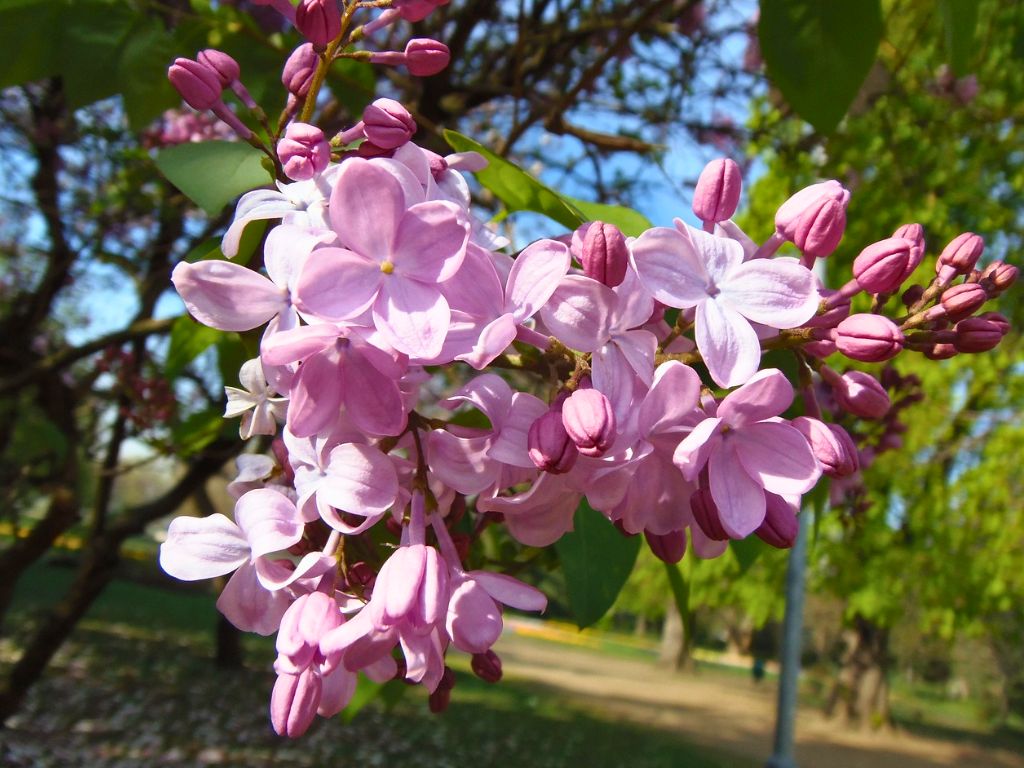
Our favorite place to see the blossom however is in the Füvészkert botanical garden, which was founded all the way back in 1771. Located slightly outside the city center, the garden is beautiful to visit any time, but in April it hosts a cherry blossom festival when the trees start to blossom. Linked to traditional Japanese cultural events, this is a lovely place to see the pink flowers.
April is usually also when Easter falls, so be sure to check these dates before booking your travel. Prices tend to be higher and Budapest is always very busy over the Easter weekend, so if you prefer to avoid crowds, you’ll want to avoid Easter.
May
May is a popular time for people to visit Hungary in general, and Budapest is no exception. Visitor numbers aren’t quite as high as they get in the summer months but May is definitely when the city starts feeling busier. This is the best time to visit Budapest if you want to mix some sightseeing with relaxing and enjoying the social side of the city. Temperatures start climbing, especially in late May, but it’s still milder weather so it’s not too hot to be walking around.
Fun events like the Budapest Beer Week take place in May, and the district filled with the famous ruin bars really comes to life. Margaret Island is a great destination, where you can walk or cycle along the wide paths through the city park, stopping along the way for something to eat or drink.
Budapest’s spring comes to an end by late May, with prices and the average temperature starting to jump up, but if you book in advance you can still find some budget options. May is perfect if you want an energetic trip, without dealing with the summer temperature highs.
Summer (June–August): Festivals And Live Music
Summer in Budapest can be polarizing. Some people absolutely love it, whereas others, not so much. There is a lot of activity through the summer, with different events and plenty of exciting summer festivals, but it can be very hot at times. The average temperatures are around 70°F but in reality Budapest often sees intense heatwaves that push the actual daily temperature highs more like the mid 80-90°F.
There are many ways to handle the heat; including avoiding being out in the middle of the day and keeping your sightseeing focused on a few key sites. If you can do so, summer in Budapest is a lot of fun. You can relax on the banks of the Danube at one of the beaches on the river, or take cover in the shady trees on Margaret Island, and then explore the city when the sun goes down.
Summer trips to Budapest are great if you are okay with heat, like having lots of fun activities to do and aren’t so interested in doing a ton of sightseeing. You should definitely book your accommodation in advance, as this is peak season (expect crowds at all the major sights), and check the dates of any specific festivals or events you would like to attend.
June
Of all the summer months, June is the coolest and quietest (both relative to the other months of July August). The European summer holidays have not yet fully started so Budapest is a little calmer, especially in early June, but you will still have long sunny days to enjoy the city.
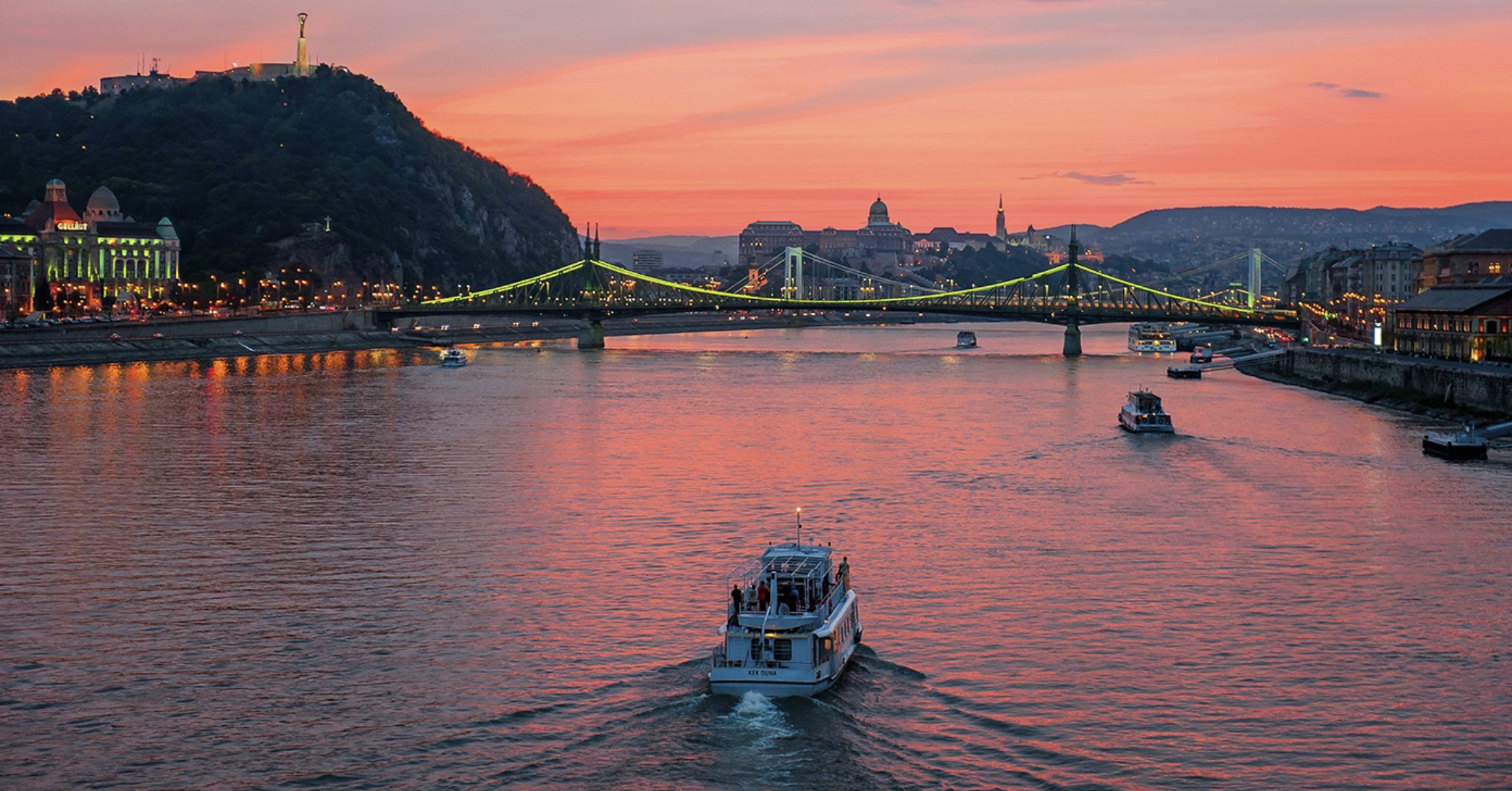
If you visit Budapest in June, you must take a sunset cruise of the Danube. These boat rides are fun year-round, but there is something extra special about floating along the river on one of the long evenings in June when the colors of the sun setting are spectacular.
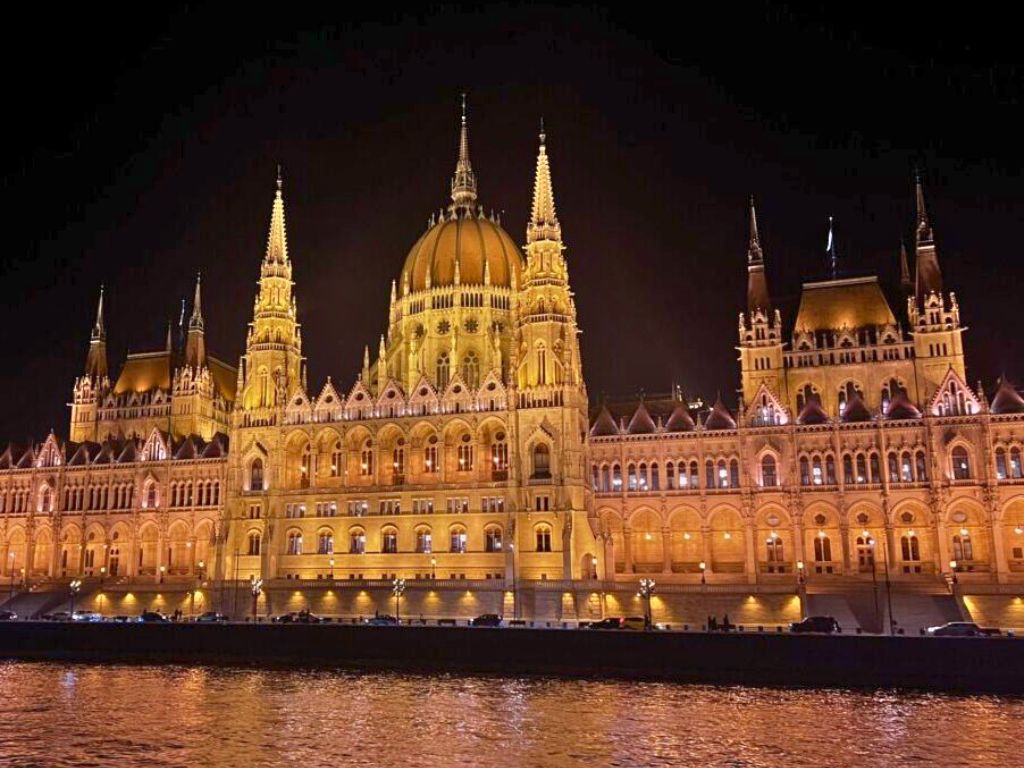
The Danube Carnival takes place in June too, which brings together folk traditions from Hungary and around the world. There are all sorts of events including classical concerts, folk dance competitions, bands putting on shows and a parade, so this is a lot of fun to get involved in.
July
July is hot, so doing a lot of sightseeing is a challenge. This is a better time to visit Budapest if you want to focus more on enjoying the summer activities and the food and drink rather than the sights. Take it slow during the days but when the sun goes down you’ll find another side to Budapest, when everyone heads outside to enjoy the energetic summer atmosphere.
The Hungarian Formula 1 Grand Prix event takes place in late July each year, which is exciting but means prices and availability for accommodation and flights is higher. Unless you’re a huge racing fan, this may not be the best time to be in Budapest so try for earlier in July.
If the heat gets too much, you can always take some day trips outside of the city. The towns on Lake Balaton are around 1.5-2 hours away by train, or visit the charming town of Szentendre which is less than an hour away by train.
August
Visiting Budapest in August means you’ll be dealing with peak crowds and peak pricing. While the daily temperatures cool slightly, especially at night and towards the end of the month, it is still very warm. Sightseeing all day is not enjoyable but you can do more in the mornings and then relax later in the day.
In the days leading up to the Hungarian national holiday of St Stephen’s Day on August 20 there are lots of markets, cultural events, fairs, live music performances and more around the city. On the day itself there is a big military ceremony in front of the Hungarian Parliament building and then a huge (and we do mean huge!) fireworks display. Budapest is extremely busy now, but the fireworks make it worth coping with the crowds.
The other huge event in August is the Sziget festival, a big music festival that takes place over multiple days on an island north of the city centre. Attracting major artists and bands, this event has become an important part of the European summer festival circuit, with lots of people travelling to Budapest because of it.
If you like the energy these big events bring, you’ll love Budapest in August. You will need to book your transport, tickets and accommodation well in advance to make sure you don’t miss out.
Fall (September–November): Wine, Hiking, And Culture
This is our favorite time of year to come to Budapest, for many reasons.
Firstly, while the summer peak temperatures are over, the weather in September and into October is delightful. Warm days become mild evenings, not too hot and not cold either, which means you can stay out all day and really make the most of the city. The August crowds also disappear so you can easily get into all the museums, churches, sites and reach popular view points.
September can be fairly busy, but fall is definitely shoulder season in Budapest. October is the ideal fall trip time for us, but even November with its cooler weather is great.
September
September in Budapest is the ideal combination of summer and fall. It’s still warm enough to dine outside in the evenings, but not so hot during the day that sightseeing feels overwhelming.
We particularly love going up to the Castle district on the Buda side of the Danube this time of year. Not only can you get into the castle to see the National Gallery and History Museum inside with fewer crowds, walking around Fisherman’s Bastion and further up into the residential area is much more enjoyable when the sun isn’t so intense.
Even though summer is over, this doesn’t mean Budapest slows down. September sees the start of the fall food and drink festivals, with various beer, wine and food festivals popping up all over the city.
October
While we love fall in general here, October is probably the very best time to visit Budapest for us. The city starts to feel autumnal, with the trees turning golden yellow and orange and the slide into cooler weather means indulging in Hungary’s delicious food and wine feels somehow more acceptable.

There is an Oktoberfest beer festival that takes place each year in early October, and in recent years a chimney cake festival has run at Bupadest’s zoo, where you can eat as much of this sweet, sticky Hungarian dessert as you can manage.
After eating and drinking all that Budapest has to offer, you can head out to either Margaret Island or the Buda Hills to see the fall foliage up close. The trails in the Buda hills are a little more strenuous, but the views from the hills over the city are spectacular.
November
In November the temperatures drop surprisingly fast, so it is much cooler and wetter compared to October. This doesn’t mean it’s a bad time to be in Budapest as this is one of the quietest periods in the city, so you can find some excellent deals for travel and accommodation.
November is ideal if you want to maximize your sightseeing, with low visitor numbers and easy access to everything. You’ll need to bring warm, waterproof clothing but as long as you’re prepared, you will still have a wonderful time. November is the true low season in Budapest, but a little tip we have is that the big Christmas market usually starts later in November, so you can enjoy the festive atmosphere outside of the peak festive season.
Winter (December–February): Christmas Markets And Thermal Baths
Budapest is one of our top winter destinations in Europe. Despite the cold, the city feels vibrant and full of activity, and lots of traditional Hungarian food is particularly well suited to this time of year. As well as all the Christmas festivities in December, the other winter months of January and February have plenty going on.
While Budapest does get cold in winter, with the average temperature staying around 30°F, it doesn’t tend to snow too heavily and bright, crisp winter sunshine is common. The famous thermal baths of Budapest are thoroughly enjoyable most of the year, but relaxing in a steaming pool of water while basking in the winter sun is something truly special.
December
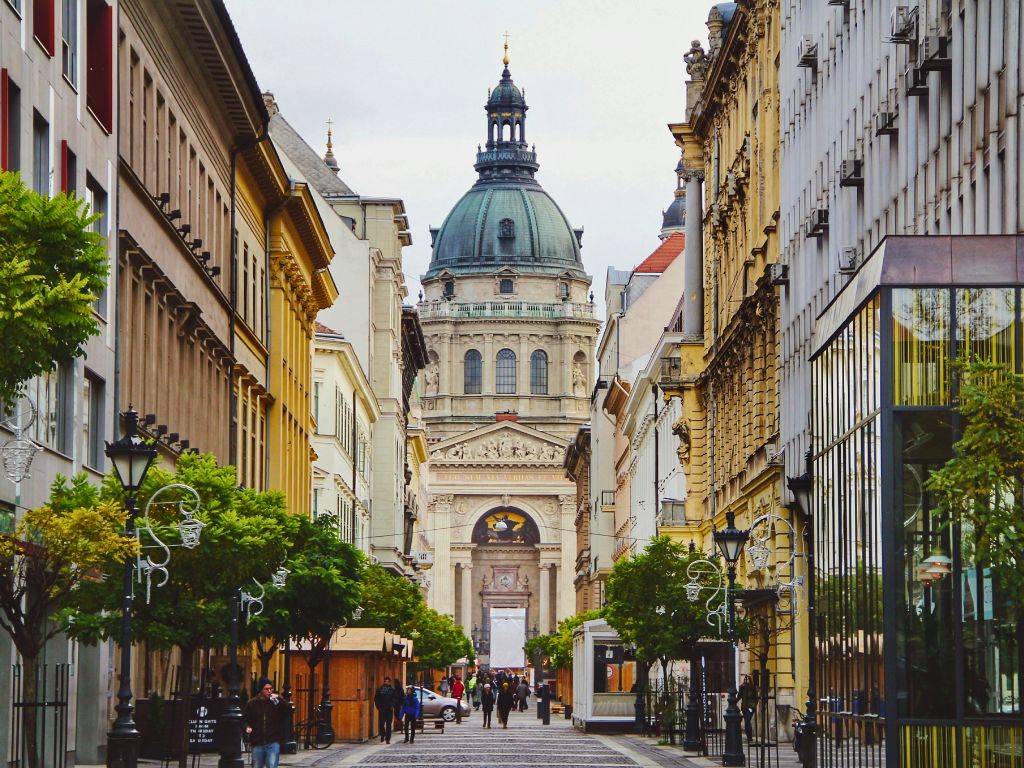
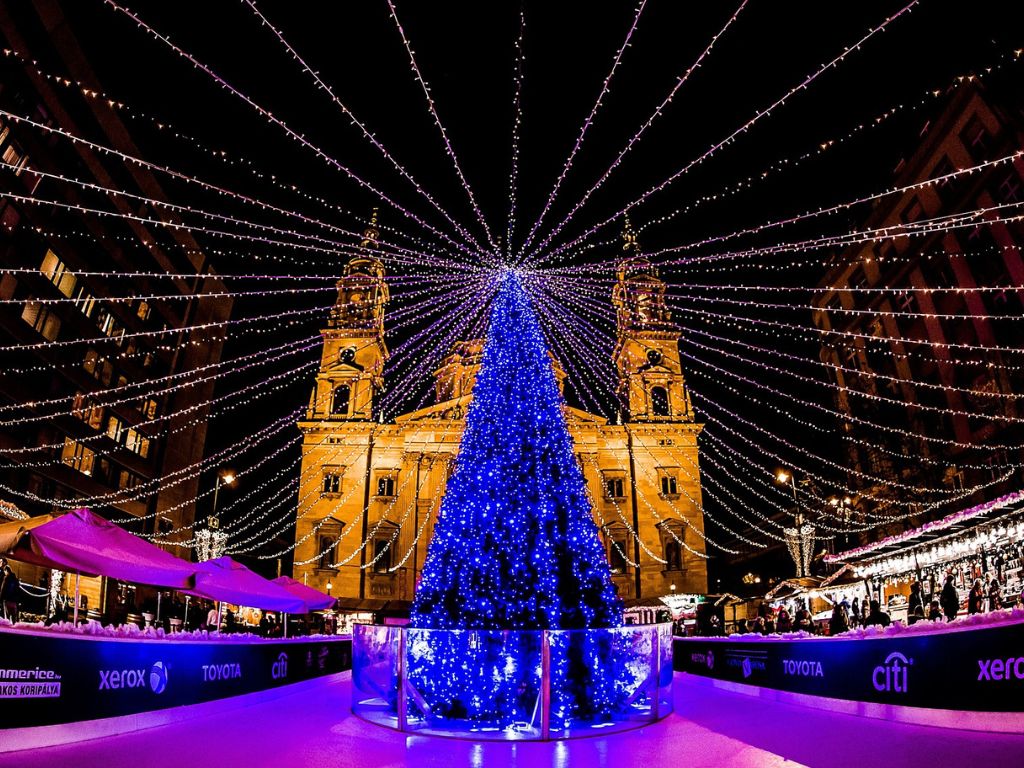
Budapest in December is all about Christmas. One of our favorite Christmas market options in Europe, there are multiple markets which run through until Christmas, as well as all sorts of festive lights, nativity scenes and more. There is also an ice skating rink in front of St Stephen’s Basilica (the location of one of the main markets) so you can really get in the festive spirit here.
The hot spiced mulled wine will get rid of any chill you may feel from the cold (just remember to bring a good scarf and gloves) and you can try lots of tasty treats from the stalls as well as find great souvenirs.
If you are thinking to visit Budapest over the actual Christmas holiday, remember that normal opening hours and public transport options are subject to change, so you will need to plan your time carefully.
January
January is a good time to come to Budapest if you’re fine with the cold and want to take advantage of the quieter city. Budapest calms down after Christmas and the big New Year celebrations so you can find some really good prices for accommodation. Museums, churches and sights are much quieter than normal, but the weather is more unpredictable so the chances of heavy fog, rain and snow are fairly high.
This is the perfect time of year to get cozy in one of Budapest’s excellent coffee houses with a slice of delicious cake, explore the many stalls in the Central Market Hall or visit some of the excellent museums.
Warming up in one of the thermal baths is always a good idea in January. The Széchenyi baths are the most famous, and even in the shoulder seasons of spring and fall can be packed, but January they are more accessible. They are never really quiet though so for a more peaceful experience, check out one of the others, such as the Rudas baths.

February
After the wetter month of January, February is drier and you have a higher chance of seeing some sunshine during your trip. The spring milder weather is not quite here yet, but there is a noticeable difference in February.
Budapest is a lovely place to have a Valentine’s Day trip with your partner, with lots of options for romantic dinners, cozy afternoons together and special activities you can do together. The cruises along the Danube can be very romantic, gliding along the water as you admire the lights of the city accompanied by wine and music.
Budapest is slightly busier but the crowds are still not here, so you can have a relaxing visit that does not require lots of reservations or planning.
Visit Budapest With Us
The best time to visit Budapest is entirely dependent on what you would like from your Hungarian travel experience. We love showing our guests Budapest and beyond in the fall, but also the best of the Christmas markets in December, so get in touch today to find out how you can experience everything Budapest has to offer with Adventures with Sarah.