
It is no secret that at Adventures with Sarah, we love Rome. Not only has Sarah spent years exploring the Eternal City, finding all the best spots to share with our fellow adventurers, but multiple members of the team live here too. Between our team knowledge, and the connections with friends who also call Rome home, we have so much experience to share. In this guide you’ll find our top tips and advice for anyone visiting Rome, showing you how locals enjoy the city – away from the typical crowds. Ready to do as the Romans do? Learn how with us.
1. Skip the “Top 10” Recommendations
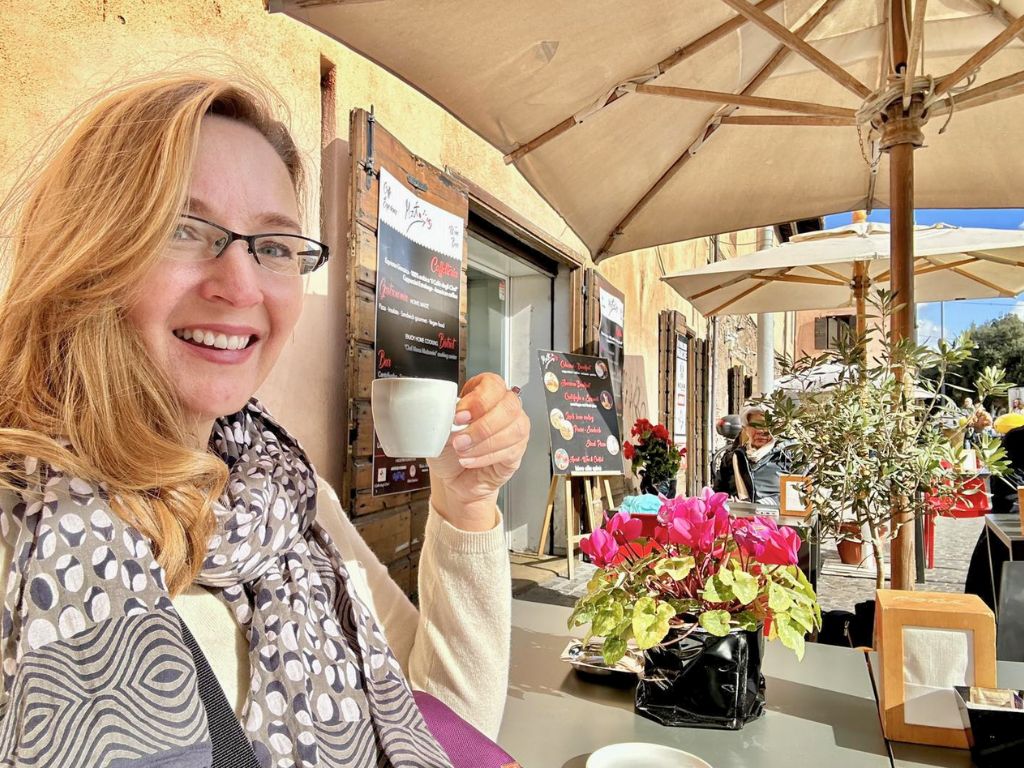
Sarah’s first perspective from a local is to largely ignore the online recommendations you’ll find about Rome. Top 10 lists of the best museums, the best view points or best places to see ancient Rome tend to stick to the obvious places, and most of these are created by people who have visited the city, not lived here.
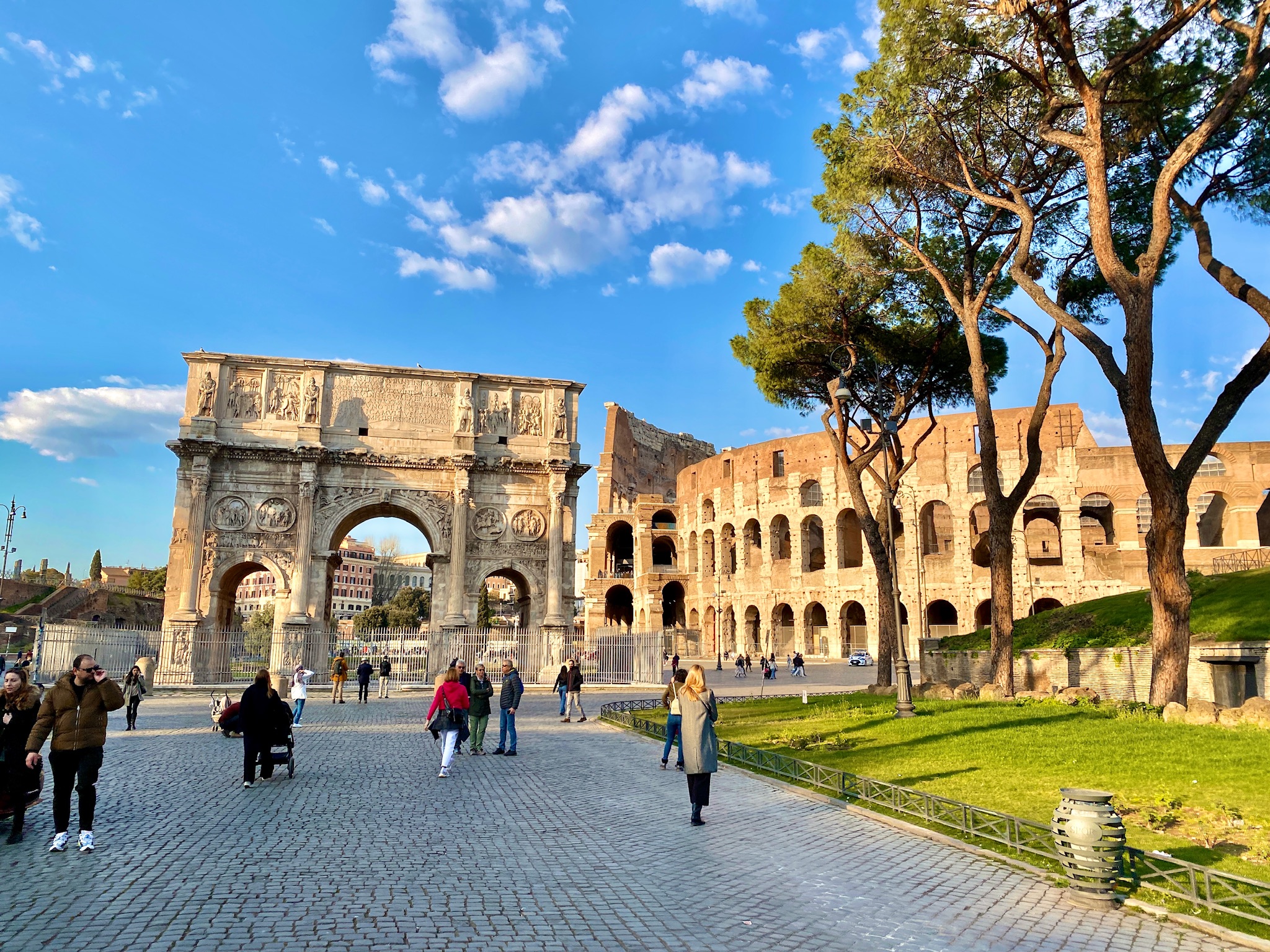
Of course the world-famous sites like the Colosseum, the Trevi Fountain or the Vatican are huge draws, but there is so much more to see and do in Rome. Locals have been to these places multiple times over the years, on school field trips or with visitors from out of town, so they would rather go somewhere different during their free time.
To experience Rome like a local, here are some of our top choices for museums and sites:
Palazzo Altemps
Only a short walk from Piazza Navona and the Pantheon, the museum in Palazzo Altemps is somewhere that should be much busier.
One of the four branches of the National Roman Museum, Palazzo Altemps holds a wonderful collection of ancient sculptures. The palace itself is beautiful, lived in by the Altemps noble family for hundreds of years, and the way the rooms are used to display the collection makes exploring fascinating.
The sculptures come from collections of the Altemps family, as well as other Roman noble families, showing that the locals have always been interested in the culture and history of their city.
Parco degli Acquedotti
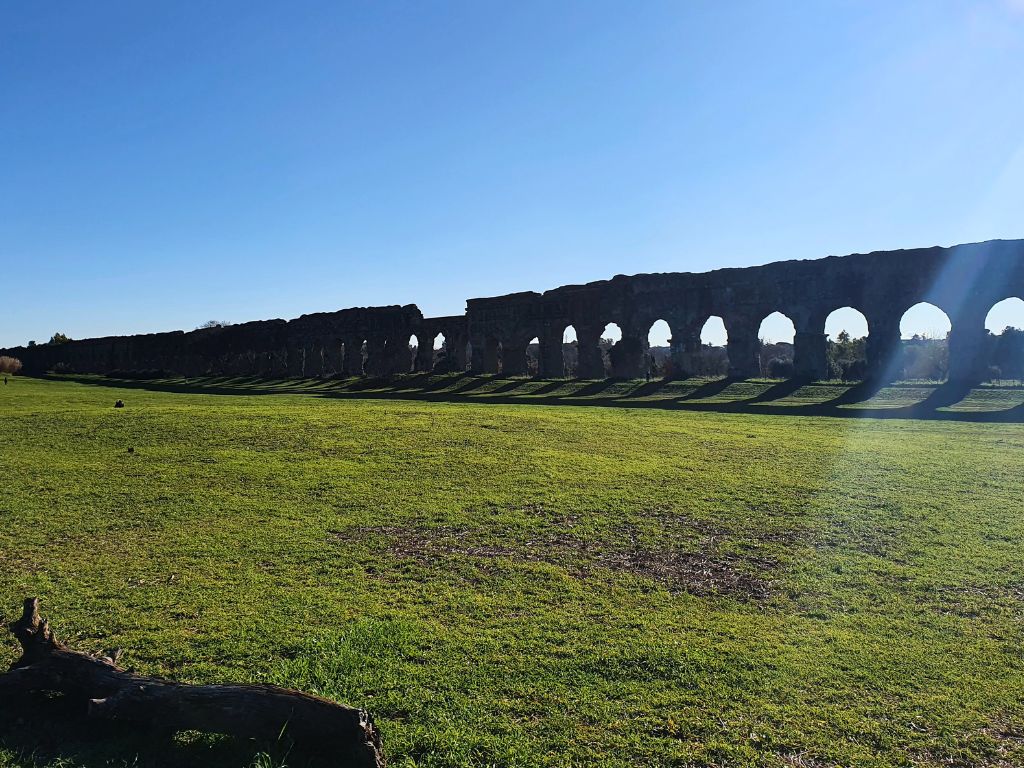
Outside of the Centro Storico but easily accessible on Rome’s Metro (Line A), Rome’s Aqueduct Park is a great place to visit. Romans treat it more as a park, with wide green spaces, walking paths, benches, a nature reserve and picnic areas, so it is fairly busy at weekends, but for us, the huge aqueducts from ancient Rome are the main attraction.
This location is where multiple aqueducts converged before bringing fresh water into the city, which provided water for the fountains, bath complexes and villas. Today you can see the ruins of six ancient aqueducts (as well as one from the Renaissance period) and trust us, seeing this close up really makes it clear how impressive the engineering of those ancient Romans was.
One note, the Parco degli Acquedotti is officially part of the Regional Park of the Appia Antica for administrative purposes, but they are in separate locations, so if you want to visit both, make sure you’ve planned your transportation between the two areas.
MAXXI and the National Gallery of Modern & Contemporary Art
For something a little different, you can visit some of Rome’s galleries which feature more recent creations. There are two that we particularly like; firstly the MAXXI, which is focused on 21st century art and architecture. Housed in a striking new building in the Flaminio neighborhood north of the Centro Storico, the MAXXI is home to a fascinating permanent collection and also always has something interesting in their exhibition space.
A little closer to the center of Rome is the National Gallery of Modern & Contemporary Art, just outside Villa Borghese. This collection is a little broader, including works from the 19th and 20th centuries too, with some great halls to explore.
Both of these galleries are rarely busy, and with regular temporary exhibitions and events, you’re guaranteed to see something new whenever you visit.
Non-Catholic Cemetery
It may seem a little odd to have a cemetery on a list of our top sights in Rome, but the Non-Catholic Cemetery is very special.
Located on the edge of the Aurelian walls, and overlooked by the ancient Roman burial monument of the Pyramid of Caius Cestius, this became the place where prominent Protestants were given permission to be buried by the pope. They were not allowed to be buried in Catholic graveyards, but as more non-Catholics came to live, and die, in Rome, they needed a suitable resting place. Over the centuries many famous and influential non-Catholics were laid to rest here, with beautiful graves and memorials put up to remember them.
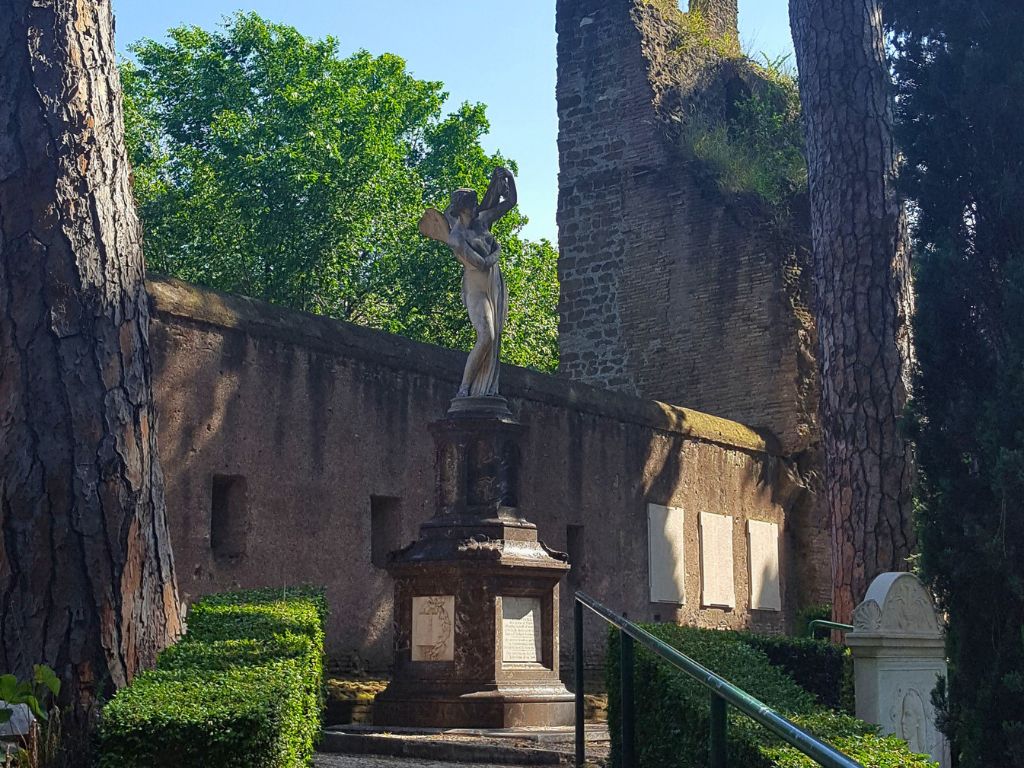
Today the cemetery is open for visitors, and to us there are few better places to switch off from the chaos of Rome. You are welcome to explore the graveyard, and there are some benches where you can sit to admire the unique ancient Roman pyramid. If you’re lucky, some of the cats from the neighboring sanctuary might come say hello too.
2. Make the Most of What Rome Has to Offer
Turning now to one of Sarah’s long-term Rome friends, Elyssa Bernard, who has lived in the city for over 20 years and runs the online Rome guide, Romewise.
For Elyssa, it’s all about making the most of what you can do in Rome. The Eternal City has always been a popular destination, so there will always be plenty of people around, but this shouldn’t stop you having a great time during your trip. Taking an alternative approach to deciding which sights to visit can make a huge difference to your Rome experience.
There are constant exhibitions and events taking place, which can turn a regular visit to a museum or archeological site into something extra special. Look out for evening openings, exhibition notices, festival announcements and more on the official website for tourism in Rome here, which you can filter by your visit dates and see what’s happening. Many of these are free or at no extra cost to the regular entrance ticket too.
In addition, don’t just rush from activity to activity, but rather make time for enjoying the other things Rome has to offer. One of Elyssa’s favorite mornings in Rome includes going for a leisurely breakfast at Caffé Doria before visiting the Pantheon (somewhere she never gets tired of seeing). Make time for the most Italian of customs; a long lunch at weekends, aperitivo that stretches into dinner or a late-night gelato to enjoy as you stroll through the city.
Treating Rome as the locals do doesn’t mean you need to avoid the areas where tourists are, but instead adjust your habits and itinerary plans to be more Roman.
3. Visit Some of the Neighborhoods Beyond the Historic Center
One member of our Marketing team, Sara, now lives just outside Rome and her top tip is to go beyond the immediate center of the city.
So much of what makes up Rome guide books is in a small radius between the Vatican and Termini train station. However, there is so much more to see and experience outside of this area. The Roman public transport allows you to get to other neighborhoods easily, and you don’t have to travel far to see a completely different side of the city.
Depending on your interests, you have plenty of options. Pigneto, east of Termini, and the neighboring area of San Lorenzo have become the place to go for great aperitivo and nightlife thanks to the nearby university, as well as some cool street art. Testaccio, which is along the Tiber river, not far from the Circus Maximus, is where you will find truly Roman food – offal and all. The Mercato di Testaccio has over 100 stalls and you can try all sorts of produce and dishes here.
There are two neighborhoods in particular that Sara recommends spending time in however:
Monteverde
This small neighborhood west of the Tiber is between Testaccio and Trastevere, both popular neighborhoods, but Monteverde doesn’t get much attention from anyone except Romans.
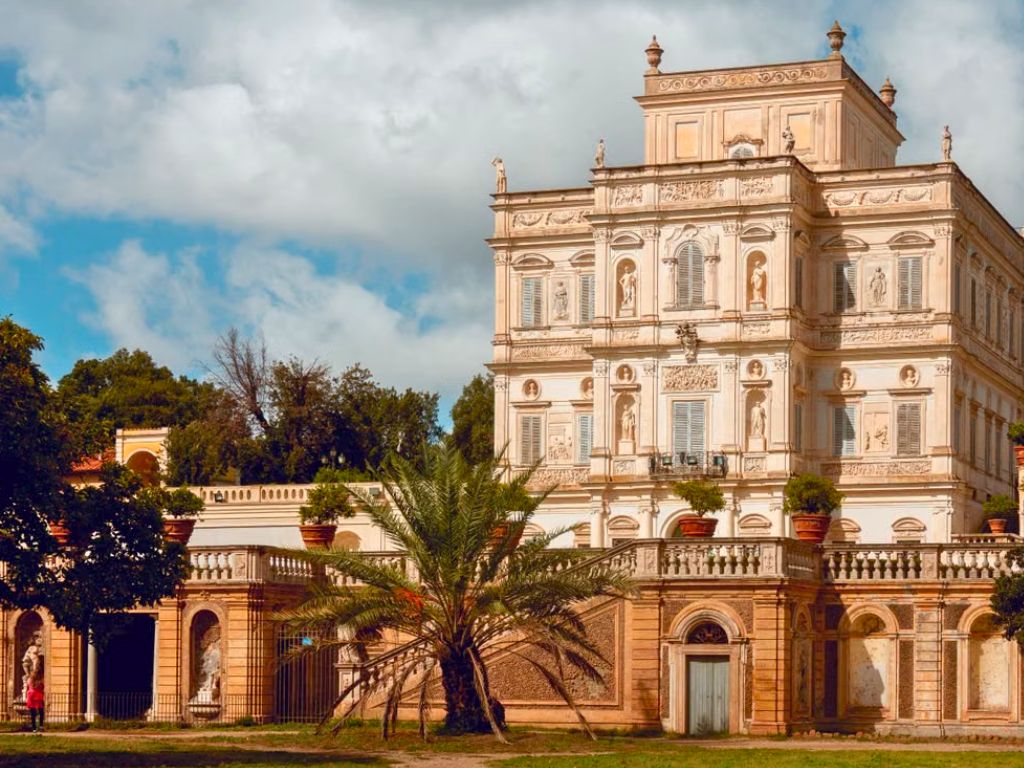
The streets are quieter and filled with locals doing their shopping or running errands. Everyone seems to know each other, with friendly conversations taking place. The small park of Villa Sciarra is a lovely place to explore with its fountains, paths and stone sculpture, and the much larger Villa Doria Pamphili is not far away either. Rome’s largest landscaped park, as well as huge green spaces you can see the noble palace, theater, lakes, trails and more.
Monteverde is also an excellent example of locals creating unique businesses. You’ll find a mix of traditional food and more innovative options, with plenty of non-Italian focused food around if you’re looking for a break from the traditions of pasta and pizza.
Appio-Latino
This is a large neighborhood on the map because it includes a lot of the Appia Antica park, but to get to know the area and see local life, focus on the roughly triangular area between Piazza dei Re di Roma, the ancient Aurelian walls and the Basilica of San Giovanni in Laterano.
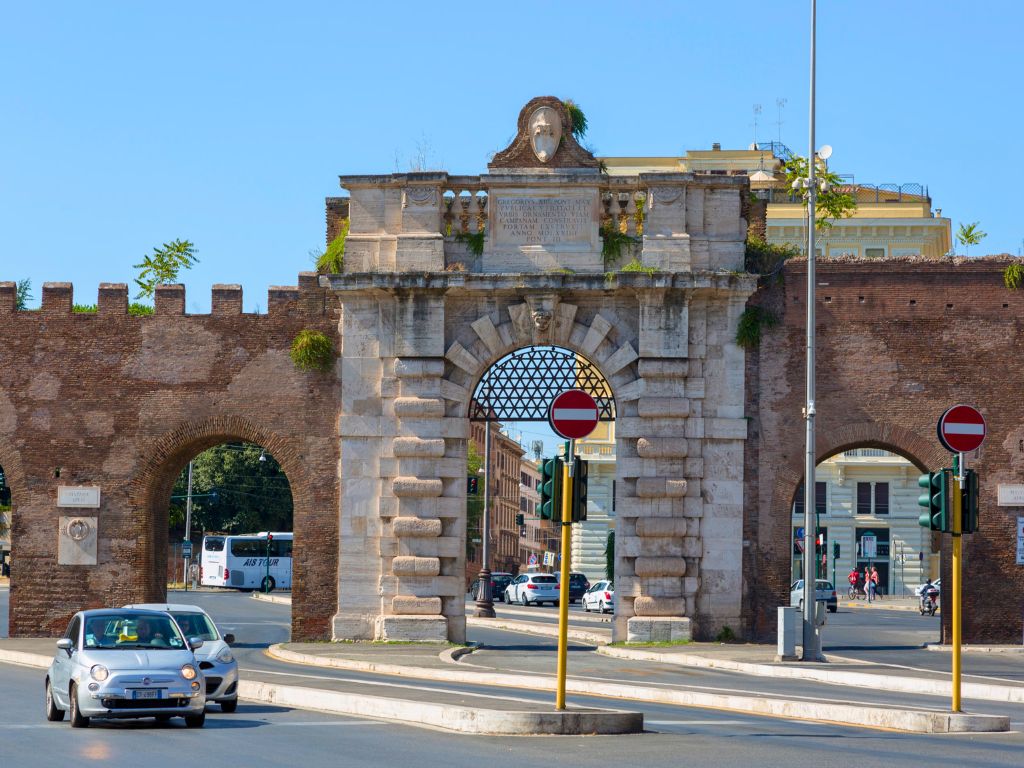
Sara spent months here at a time before moving permanently to Rome, and is always going back. Not only is the Basilica of San Giovanni one of the most important and impressive churches in Rome (without the crowds that go to the Vatican), the area is filled with fantastic places to eat, tons of great shopping and really feels like a regular neighborhood.
Don’t miss the absolute institution that is La Casa del Suppli, which does the best Roman suppli as well as pizza by the slice and fresh pasta to takeaway.
4. Plan Your Time Wisely
For Warren, our Marketing lead, living in Rome and Italy has made him extremely aware of how important your timing can be. This is both about understanding when getting around the city is more challenging, and when to time your sightseeing for.
Roman Traffic
With the road traffic and peak times on the Metro, buses and trams, there are some points of the day when it is just not worth trying to get anywhere. As in any country, there are people trying to get to work and school in the mornings, and then going home later in the day, but when you add in tourists trying to get around Rome, it adds an extra layer.
This means that you should consider this when deciding what your itinerary looks like. If you’re planning an early morning tour of the Vatican or wanting to get to Termini train station to catch a train to Naples or Florence for a day trip, consider how you will get there from your accommodation and make sure to allow enough time for this.
Later in the day, Warren has often chosen to sit and have a coffee or aperitivo rather than deal with the early evening rush. Rather than rush to get to your next destination, take it a little slower and join the locals in having a break before thinking about dinner plans or getting back to your accommodation.
Booking Entrance Tickets for Later in the Day
The other element to consider when it comes to timing is which time slots you should book your tickets for when visiting the big sights. You will likely have heard that it’s best to visit the Colosseum or the Vatican Museums first thing in the morning for cooler temperatures in summer and shorter queues, but in Warren’s experience, the opposite is true.
Everyone has received the same advice, so in the mornings these famous sites are extremely busy. The queues can be shorter if you arrive extremely early, but not enough to make a real difference. Tour groups tend to start arriving in the morning too, as well as school groups, whereas in the afternoons the crowds are more manageable.
Warren’s recommendation is to spend your morning doing something more relaxing and less intense, have a good lunch at a nearby restaurant and then enter these sites when a lot of people are leaving.
5. Explore Lazio
Sarah’s other main approach to doing as the Romans do, is to get out of the city and explore the wider region of Lazio. There is so much to see and do in the countryside and towns that surround Rome, with something for everyone’s interests. Every weekend locals head out of the city for fresh air and good food, regardless of the time of year.
Interested in joining them? Here are our favorite places in Lazio that are easy to visit from Rome, with all of them being around an hour away by car or public transport:
Tivoli
Only around 30km from Rome, Tivoli sits on the edge of a mountain that overlooks the city, and has long been a refuge for wealthy Romans. Thought to have been founded even earlier than Rome itself, Tivoli has plenty of evidence of its importance through the centuries.
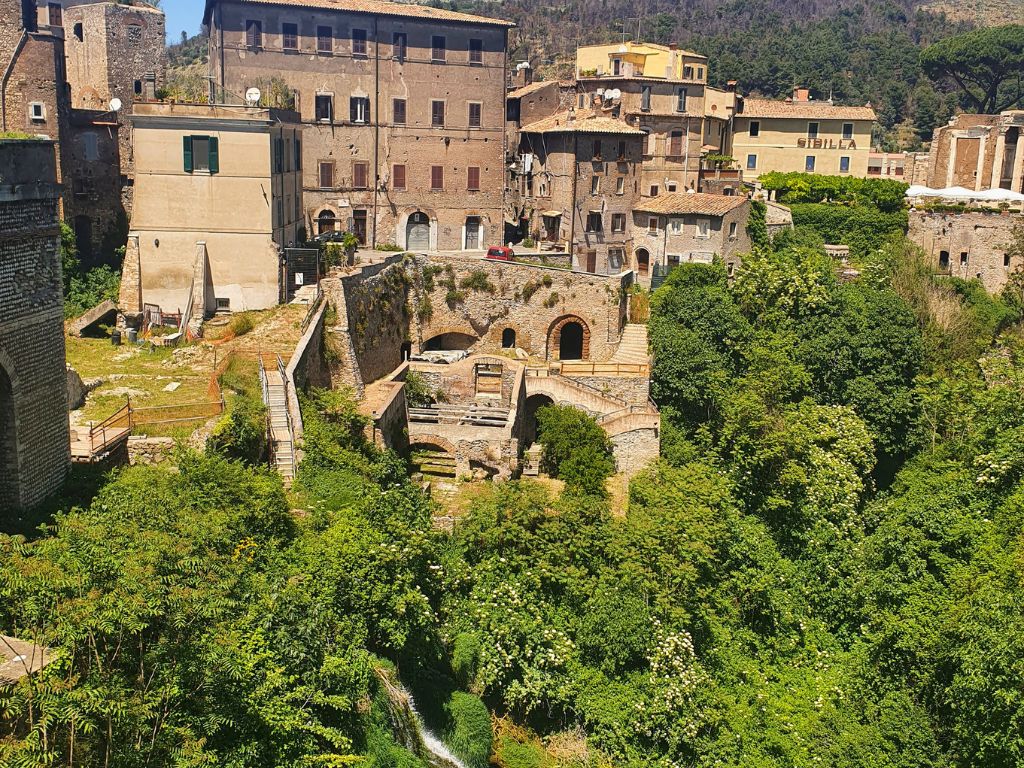
In the town you can visit Villa d’Este, a 16th century villa with one of the most incredible gardens we’ve ever seen. Built into the hillside, the tiers of the garden are filled with ornamental features and water fountains everywhere. There are more gardens at the Villa Gregoriana, as well as spectacular waterfalls, and the 15th century castle of Rocca Pia.
Just outside the modern town you can also visit the vast complex of Villa Adriana, which is where ancient emperor Hadrian built a huge palace complex – calling it a “villa” does not do justice to the size of site at all. This is one of those places where the wealth and power of ancient Rome really comes to life.
Anzio
There are lots of places along the Lazio coastline where you can make the most of the Mediterranean, but we especially love Anzio.
Around 50km south of Rome, Anzio is the perfect place for a beach day. There are numerous beach clubs along the sandy shore, the water is extremely clear and you can easily get there by train from Rome. You will also find excellent restaurants serving fish caught locally, so if you’re a seafood fan, this is definitely the place for you.
Not only is Anzio a lovely seaside town, it is packed with history too. The ancient Romans also loved Anzio, using it as a vacation spot, with Nero in particular having close connections with the town. One of the beaches even has the foundations of his imperial villa as its backdrop.
In more recent history, Anzio was where the Allies landed in 1944 during World War II in order to start pushing the Germans back and liberate Rome. You can learn more about this at the Anzio Landing museum which is full of items from the people who fought here and tells their story very effectively.
Castelli Romani
Our other favorite place to visit from Rome is the Castelli Romani, a series of towns and villages in the Alban hills southeast of the city.
The name refers to the castles that were built in these hills in the Middle Ages, at a time when this part of Italy was unstable and wars were being fought constantly over land and power. Some of the most influential Roman noble families created strongholds in the hills, such as the Colonna, Chigi and Borghese, which turned into lavish residences and gardens when the fighting died down.
Each of the locations has their own particular appeal. Frascati is where the famous local white sparkling wine comes from and Grottaferrata is the place to go for history lovers with its archeological museum, beautiful abbey and catacombs. Castel Gandolfo is famous for being the summer residence of the pope, and while the pope is rarely there, the Apostolic Palace is a museum that you can visit, along with the stunning gardens.
Our go-to Castelli Romani location is Ariccia, which is famous for its porchetta. Porchetta di Ariccia is a protected product, with a history that goes back to before ancient Rome. Carefully prepared with local pigs and herbs, the rolled pork joint is slowly cooked until the crust is crispy and the meat is perfectly tender. This may not be something that sounds worth traveling for, but trust us, it is.

Experience Rome and Lazio Like a Local
Sarah and the whole team love sharing their favorite city with our guests, to the point where our Rome experiences have become about trusting us to deliver something extra special every day. If you’d like to join Sarah in person, find out how to join our upcoming Rome staycation here.