Japan is a fairly recent addition to the Adventures with Sarah experiences, with our first tour here taking place in 2024, but it has fast become a firm favorite. There is so much to see and do in Japan that every trip we’ve planned since has been different every time, and have taken place at different times of year, so we really have seen it all. There is not really a bad time to visit Japan, but there is definitely a best time to visit Japan for you, so let us explain how to decide when to plan your trip here.
Spring in Japan
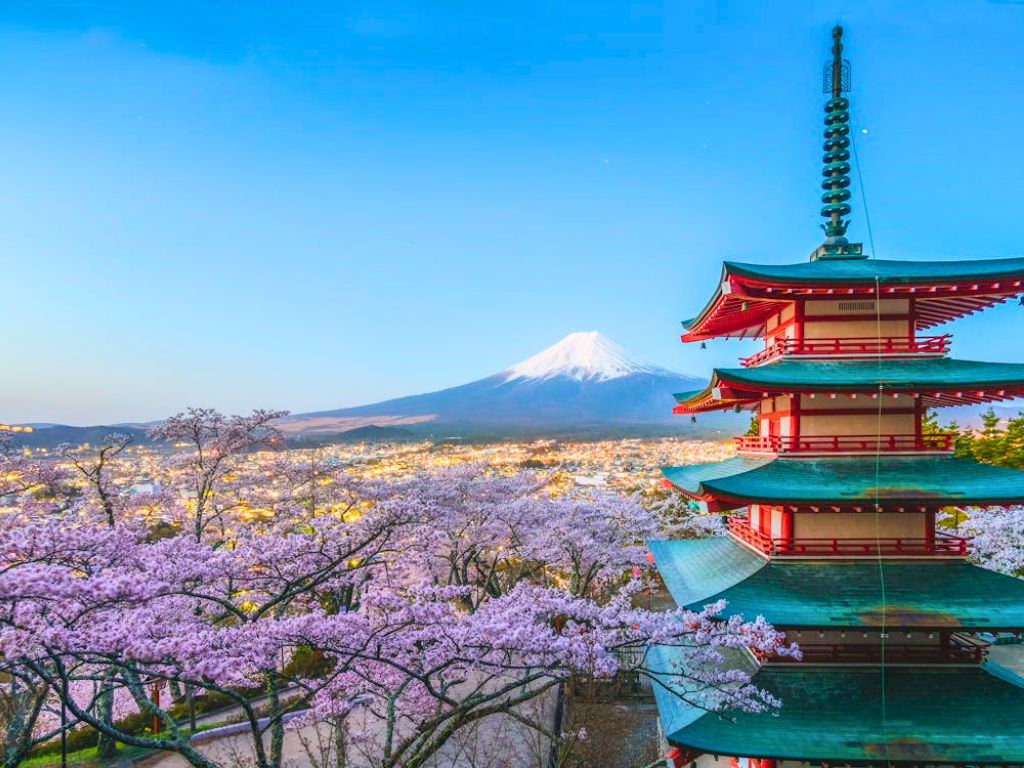
Spring is the season to come to Japan if you want to see the famous cherry blossom (more on this below). It is therefore also peak season here, with prices, availability and crowds all at their highest. This does not mean that you should entirely skip a spring trip to Japan, but you do need to be prepared.
Part of the reason spring is a popular time to visit Japan is the pleasant weather throughout the country. In the southern islands temperatures are already in the high 60’s in March, with Tokyo a little cooler but still very mild. Even in northern Japan where spring is slower to arrive, the weather is still largely dry (if on the colder side.
Due to the peak cherry blossom season, which is slightly different depending on precisely where in Japan you will be, and the Golden Week of holidays, major cities are always very busy March through May. You will need to book your accommodation well in advance to avoid disappointment, as a lot of people want to come when the weather is good and they can see the cherry blossoms.
It is all about planning however. We have been in Japan in April and the key is to not spend all your time in the big name destinations. Make time for other parts of the country where there are fewer crowds as well as seeing the cherry blossoms and you’ll be able to have an amazing adventure.
Cherry Blossom Season
So when exactly is cherry blossom season? The answer is not fixed, partly because the cherry blossoms at different times in different parts of Japan, but also because the blooms are unpredictable (both in when they start and how long they last on the trees).
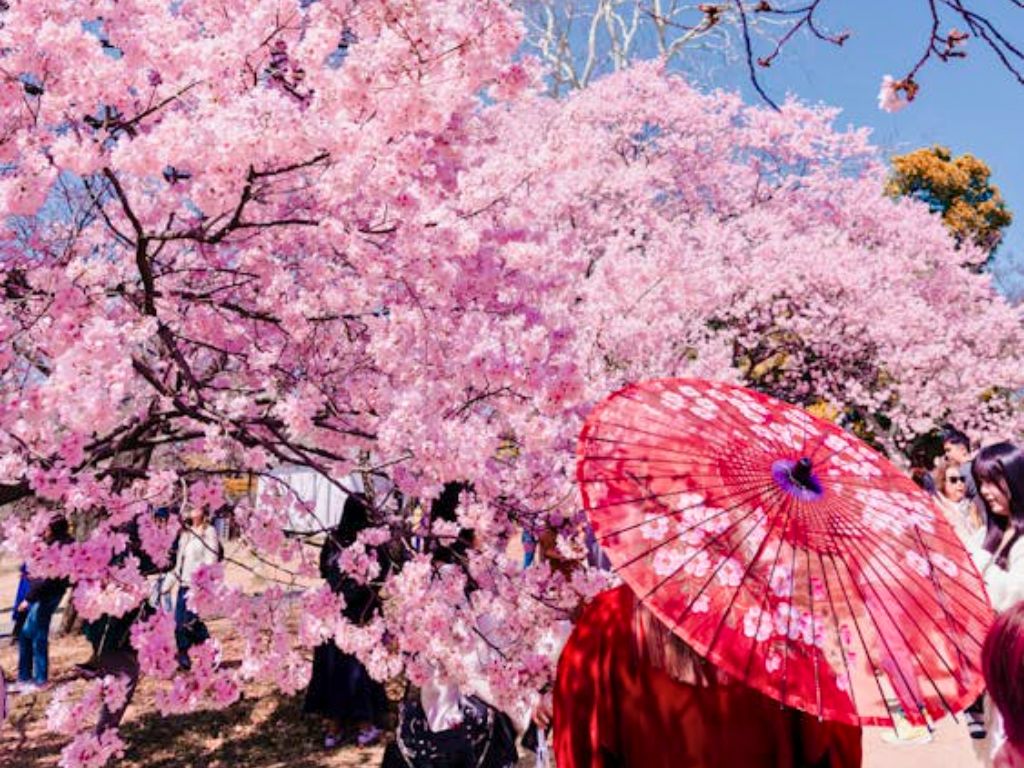
There is no way to 100% know that you will be able to see the iconic cherry blossoms, but the first blossoms tend to appear late March and last through early April. In the south, where it’s warmer, the blossom is earlier and in cooler north, the blossom sometimes isn’t until early May. The best time to visit Japan to see the cherry blossom season is the start of April, when it is most likely you will see some of the beautiful trees.
You can check out the cherry blossom forecast on the Japan National Tourism Organization website here, which shows past years and predictions for the year ahead for more details.
Golden Week
There is one specific time in the spring when it is not ideal visiting time; Golden Week.
At the end of April and into early May, Japan celebrates four of its nine national holidays. Starting on April 29, Japan’s national holidays continue on May 3, 4 and 5. Because of how close together the public holidays are, some Japanese companies close and lots of people take the whole week off work.
This is the most popular time of year for Japanese people to travel, so the already high peak season prices get even higher. Availability for trains and accommodation is also much smaller, so you can expect large crowds and difficulty getting around during this week.
We recommend avoiding visiting Japan during Golden Week if possible, and suggest visiting in either mid April or later in May.
Summer – One of the Best Times to Go Japan?
We really like to visit Japan in the summer months, but we know it’s not for everyone. Summer in Japan is hot and humid, especially further south, so if you don’t do well in that climate, it may not be the best time for you to plan your trip. Temperatures hit their peak in August, up in the 90’s, with June and July being a little cooler but more likely to be wet as this is when Japan sees its rainy season.
However, if you’re okay in the heat and don’t mind the rain, summer is a great time of year to visit. There are lots of different festivals that take place across Japan, there are far fewer tourists visiting and it’s the perfect time to experience Japanese culture.
Plus, you can escape the worst of the heat and humidity by getting out of the cities. You can head north to the cooler island of Hokkaido or travel to the Japanese Alps, where the elevation means lower humidity and more comfortable temperatures.
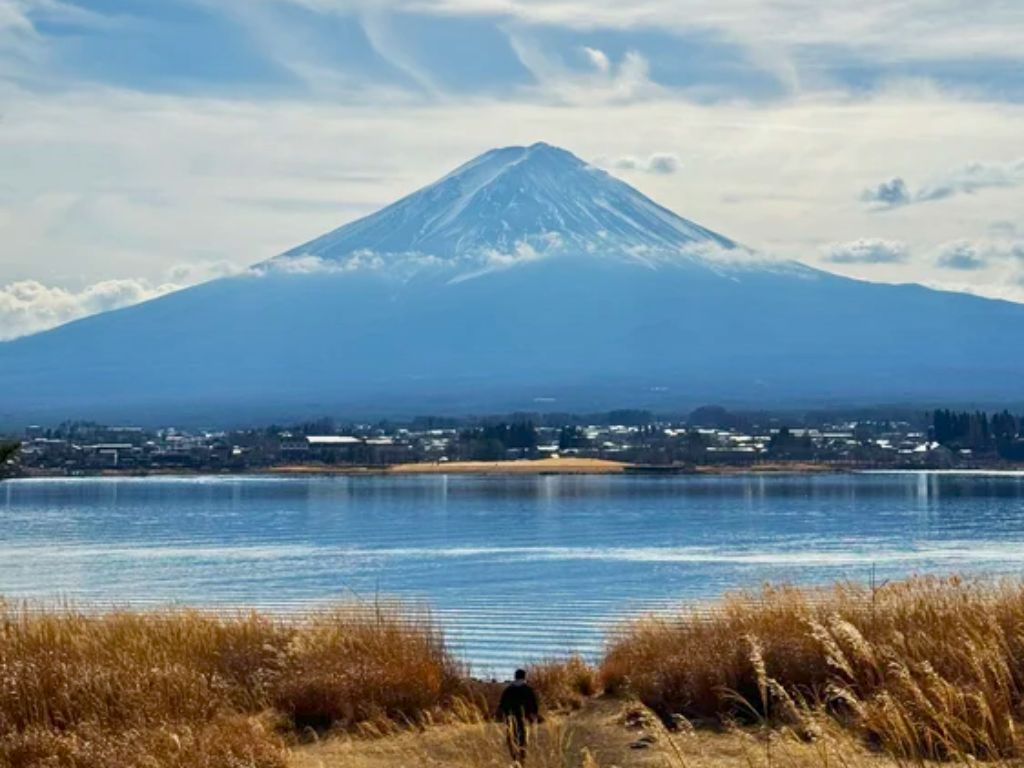
If you really want to get away from the heat, summer is the only time you can climb Mount Fuji, with the trails open from the first week of July to early September. There are also lots of lovely beaches, the best of which are on Okinawa in the far south but there are also good options on the more central islands too.
Rainy Season in Japan
If you’re considering a trip to Japan in summer, one factor is the rainy season. Less intense and shorter than other places in Asia, you can still expect regular rainfall if you visit Japan from early June to mid July. This rain does not tend to be torrential however, nor does it rain every day, so for us the higher chance of rain is offset by quieter sights, better availability and more relaxed travel.
As long as you come prepared with suitable footwear and a good rain jacket, you shouldn’t be impacted too much by the rain. There are also lots of indoor museums, markets and more that you can visit, so you don’t need to be outside all the time.
Even allowing for the potential impact of the rainy season, we really enjoy seeing Japan in the summer, so much so that our next adventure here is planned for June next year. We have been able to get a lot into our itinerary so you can see an interesting side of the country, traveling to multiple areas across the trip. Check out the details of this trip here for more information and to find out how you can join us.
Visiting Japan in Fall
The fall season in Japan is really two mini seasons in one, both of which are a top pick for the best time to visit Japan. In early fall, temperatures are still fairly high, days are long and sunny and the peak humidity from August is fading. The pleasant weather in September and even early October in some places is still warm enough to go to the beach and spend plenty of time outside. However you won’t find the summer crowds which start to decrease after the big vacation period in mid August.
Later in October and into November the weather is still fairly mild, but it does start to get significantly cooler in November. This is also when a lot of people plan their Japan trip, as the fall foliage is absolutely stunning. You can expect limited availability in accommodation, higher prices and busier transportation, similar to how Japan is during peak cherry blossom season.
Even with the mild weather conditions, the lower humidity means that the evenings start feeling a lot cooler from around mid September. Make sure to bring some warmer layers to put on as you may be surprised at the difference in temperature between night and day.
Fall Foliage
The fall season is a little later in Japan than people think. Compared to places in the US and Europe that see the classic fall foliage, the trees in Japan don’t start changing color until October and it’s not until November that the peak color comes out.
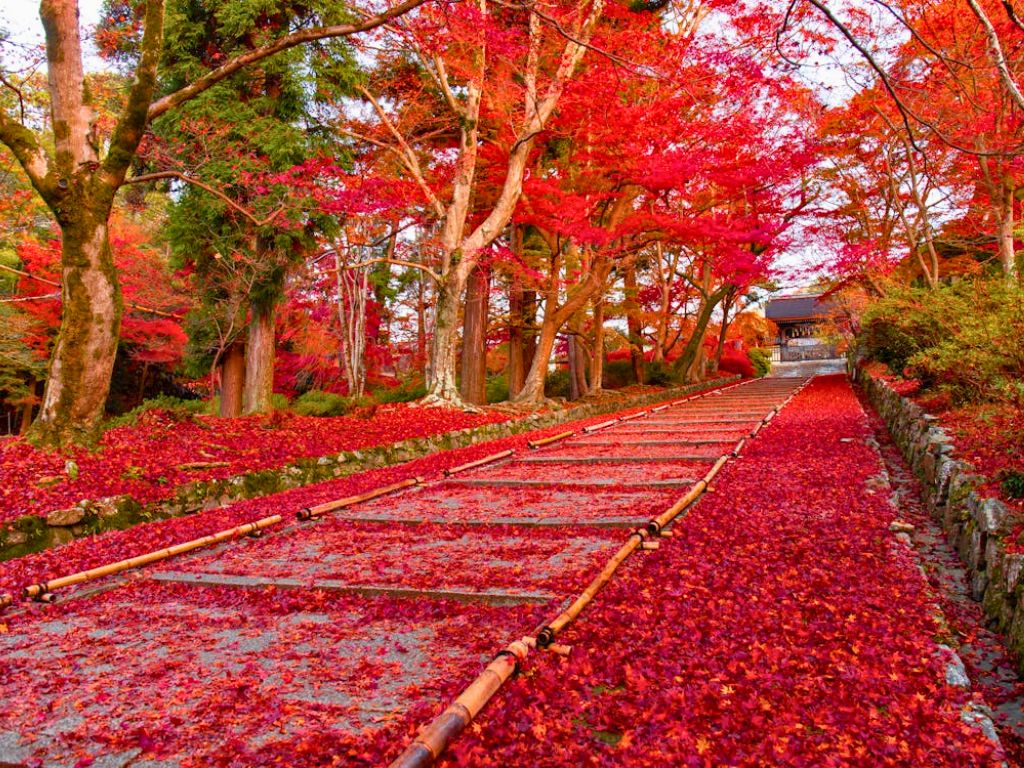
As with the cherry blossoms, the changing colors start sooner in different parts of Japan. The earliest fall foliage can be seen in northern Japan on Hokkaido and then it moves south. There are lots of different trees and plants that contribute to the colors, so even if you can only visit in the early stages, it is still beautiful to see.
This is a busy time to visit Japan so make plans in advance and be prepared for crowds at the more well-known gardens, parks, and temples in Kyoto and Tokyo. November is the ideal time to visit Japan for the golden leaves, but it is therefore very busy, so visiting in late October or early December is a good compromise to make if you prefer to avoid large crowds..
The beautiful autumn foliage definitely makes this period the best time to visit Japan if you want to see the gorgeous red, orange and yellow leaves. For us, it’s hard to choose between the spring cherry blossoms and autumnal trees. However, the fact that the fall foliage season tends to last longer and be more reliable makes it easier to plan a trip.
Japan Winter Months
Winter in Japan is an overlooked time to visit. This really is low season, when not many visitors come to Japan, and apart from the period around the New Year, Japanese people don’t tend to travel much either. So, you can find some really good prices and much more availability all over the country, making it the best time to visit Japan if you’re on a budget or looking for quiet sights.
Yes, it does get cold in Japan, with temperatures around 30-40°F, but the cold weather means that in the mountains of Hokkaido and the Japanese Alps there are lots of winter sports to enjoy. Ski season runs from December through mid March, but the best conditions are in January and February. Other snow sports such as snowboarding or snowshoeing are popular too. If you visit Japan in February, you have to make time for the Sapporo snow festival, where the city streets are filled with snow and ice sculptures.
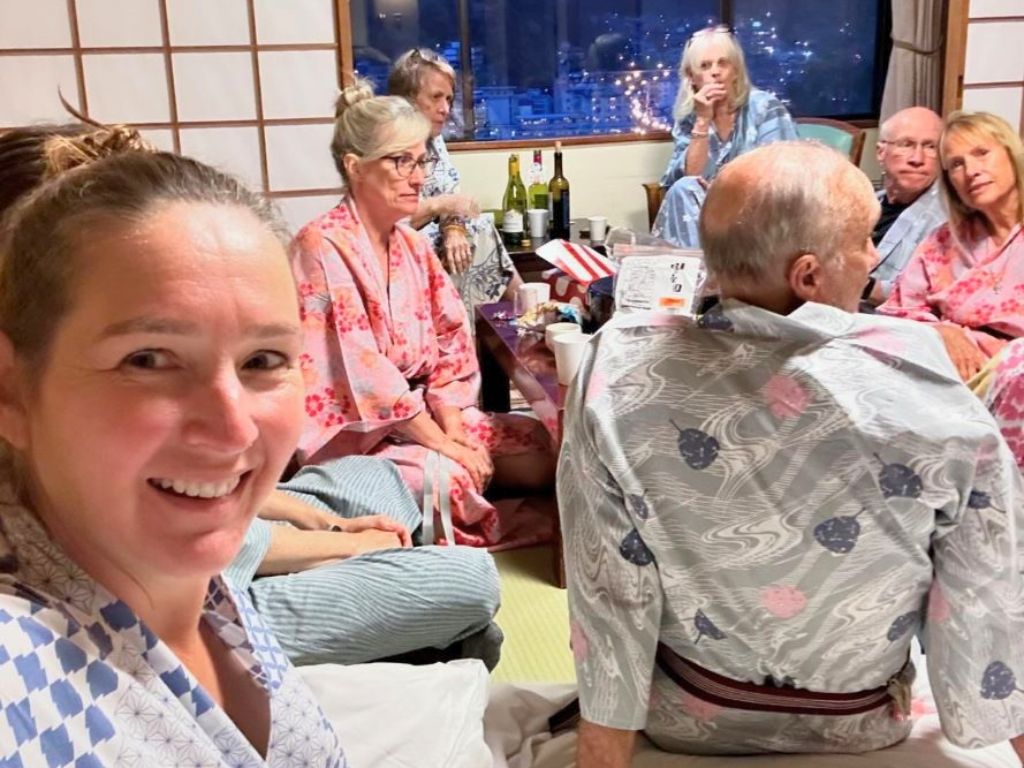
However, if you’re looking to relax and switch off a little, the other ideal activity for winter is to visit the onsen, or hot spring baths. These take advantage of the thousands of hot springs in Japan, created by geothermic activity, and are a very traditional activity. You can visit an onsen any time of year, but there is something extra satisfying about soaking in the mineral-rich water when it is cold outside.
Christmas and New Year Holidays in Japan
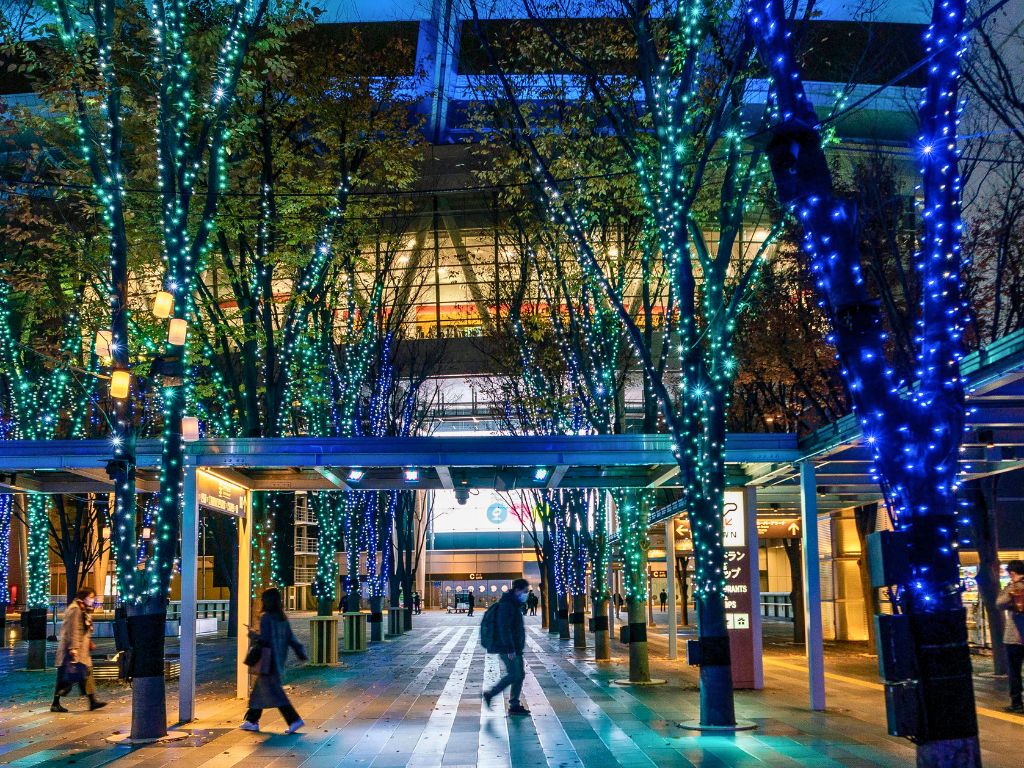
Christmas itself is not a holiday in Japan, but if you’re interested in a non-traditional celebration, it’s a fun time to visit. Lots of cities put up festive light displays and decorations and on Christmas Day itself, the popular tradition has become enjoying KFC – yes, really! This post by our Business Manager Dawn, who lived in Japan for two years explains more of what it’s like this time of year.
The quiet period for winter travel in Japan takes a break at the end of December into early January because of the big New Year holidays. January 1-3 are national holidays and the last days of December also see a lot of closures, so you will find a spike in prices and visitors around the New Year. This can impact travel across Japan, as well as entrance to different sights, so it’s important to check in advance if you need to adjust your plans.
Helping You Decide the Best Time to Visit Japan
The best time to visit Japan is always going to be based on what your trip priorities are, what your budget is and how far in advance you are planning your travel. While spring and fall are generally considered to be the optimal times to visit with mild temperatures and the special cherry blossoms and fall foliage to see, we also love to explore Japan in the summer and winter too.
Japan really is a year round destination so you can’t go wrong, as long as you plan your trip to make the most out of your chosen time. For us, early summer is a great time to visit, so our next adventure to these islands takes place in June. If you’d like to join us, check out the exciting details of the tour itinerary here and find out how you can secure your place by contacting us now.